How to upgrade your business in the age of Artificial Intelligence

7 Ways to Build a Loyal Community on Social Media
September 2, 2026

Artificial Intelligence is transforming the way businesses operate, compete and grow. Companies that change early become faster, more accurate and stronger in the market, while those that wait risk falling behind. Upgrading does not mean replacing everything at the same time. It means smarter foundations for your website, your systems and your people. Here are five important areas to focus on.
1. Website Architecture Revamp prepares you for AI-Driven Discovery
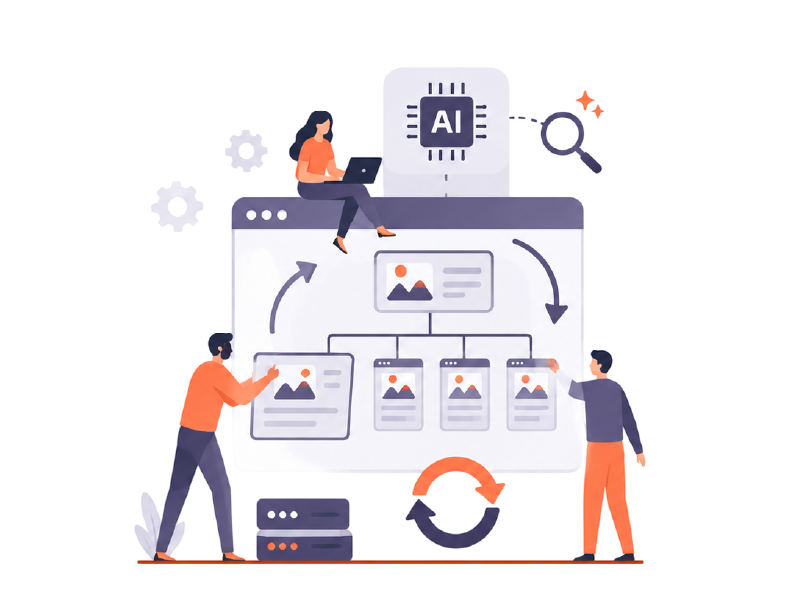
Your website is often the first place customers and AI-driven search tools find your business. Clean structure, fast performance and well-organized content make it easier for people and AI to understand what you are offering.
For example, a service company can redesign its site with clear category pages, structured data, and a mobile-first design so that it shows up correctly in AI-generated search answers.
2. Large-Scale Business Applications streamline Operations
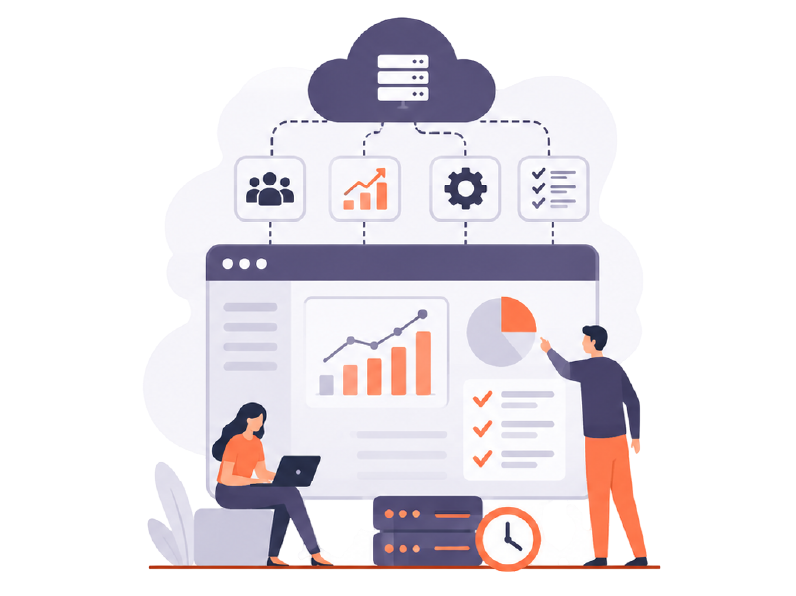
Custom business applications bring together sales, inventory, billing, and customer data into one place. More importantly, AI features that can automate routine work and highlight insights you’d miss otherwise.
For instance, a retailer might use one application to track stock and predict which items will be out of stock next month.
3. Team Management Trackers improve Productivity
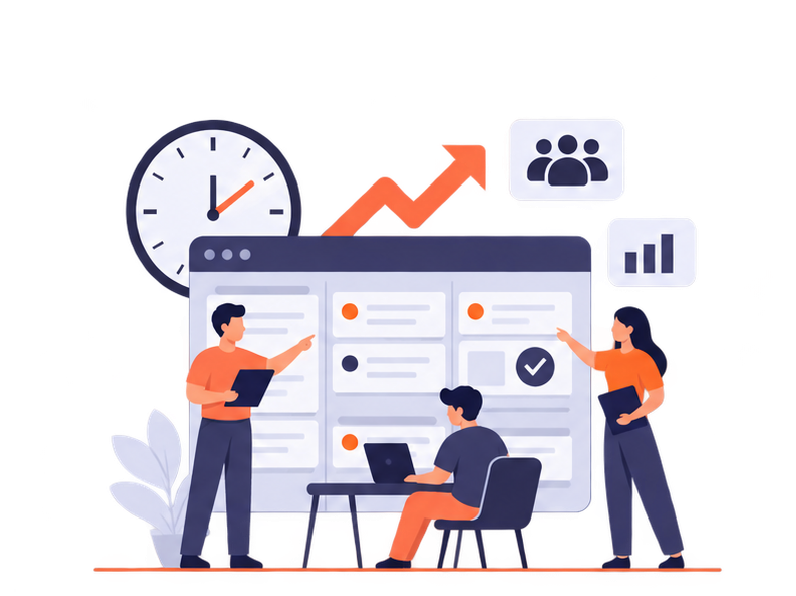
A team management tracker helps managers get a clear picture of tasks, deadlines and workloads. AI is able to understand delays earlier and recommend a better task allocation before problems increase.
A project manager, for example, can see which team member is overloaded and reassign work before a deadline is missed.
4. Performance and Appraisal Systems make Reviews Fair and Data-Driven
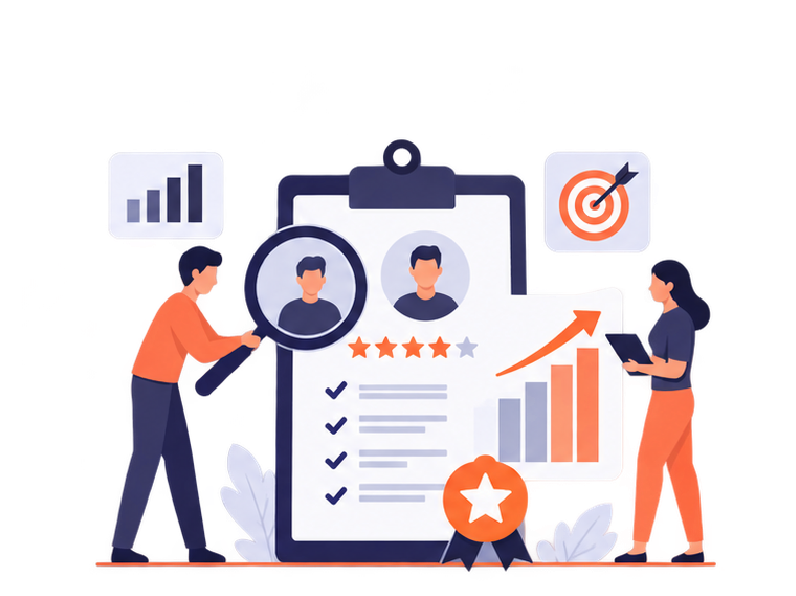
Appraisals traditionally, often depend on memory and opinion. A digital performance system tracks goals, achievements and feedback throughout the year so reviews are based on real data.
For instance, employees can reach and keep track of their targets in real time, and managers can promote based on measurable results rather than guessing.
5. Large Collaborative Networks connect Teams, Partners, and Customers

A connected network allows employees, vendors and clients to share information and collaborate on one platform. AI tools can decipher discussions, structure documents and keep everyone on the same page.
For example, a business that has several branches can use a common platform and all the locations get the same updates, files and reports instantly.
KEY TAKEAWAY: Upgrading for the age of AI is about forming a strong digital foundation. A well-organized website, strong business applications, smart team tracking, fair performance systems, and connected collaboration help your business work quicker and make improved decisions. Businesses that invest in these areas today will be better prepared to adapt, compete, and grow in an AI-driven future.

Related posts