Performance Marketing vs Brand Marketing: What Should You Choose?

AI SEO Secrets 2026: Why Some Websites Rank Higher Than Others
April 4, 2026
The Psychology of Curiosity-Driven Content
May 8, 2026
Every business today wants the same thing: growth, visibility, and consistent revenue. But the real challenge is not whether marketing works. It is deciding what kind of marketing will actually create meaningful and sustainable results.
In the digital world, two approaches dominate every strategy discussion: Performance Marketing and Brand Marketing. One focuses on instant measurable results, while the other focuses on long term trust and recognition.
At first glance, Performance Marketing feels more attractive because it delivers quick numbers. Brand Marketing feels slower and harder to measure. But the real decision is not about which one is better. It is about what your business needs right now and what it needs to grow in the future.
Let us break it down in a simple way.
1. Understanding Performance Marketing
Performance Marketing is a results driven strategy where businesses pay only when a specific action happens. These actions can include sales, leads, app installs, or sign ups. The entire focus is on measurable outcomes.
This makes it extremely useful for businesses that want fast and trackable results. Campaigns can be launched quickly, and performance can be monitored almost instantly. You can clearly see what is working and what is not.
The biggest strength of Performance Marketing is control and clarity. Every rupee spent is trackable, and every conversion can be analyzed. This allows businesses to optimize campaigns in real time.
It works especially well for startups, e-commerce brands, and companies launching new products. When the goal is quick revenue generation, it becomes highly effective.
However, it also has limitations. It depends heavily on continuous spending, meaning results stop when the budget stops. It can also become more expensive over time due to competition.
Another limitation is that it focuses mainly on transactions, not relationships. Customers may buy, but they may not feel connected to the brand.
2. Understanding Brand Marketing
Brand Marketing takes a completely different approach. Instead of focusing on immediate conversions, it focuses on building trust, awareness, and emotional connection over time.
The goal of Brand Marketing is to shape how people perceive your business. It defines what your brand stands for, why it exists, and why customers should trust it over others.
Unlike Performance Marketing, it does not push for instant action. Instead, it builds familiarity so that customers think of your brand when they are ready to buy.
The biggest strength of Brand Marketing is long term impact. When people trust a brand, they choose it without hesitation. This reduces customer acquisition cost and increases loyalty.
Strong branding also helps businesses stand out in competitive markets. Even if products are similar, customers prefer the brand they recognize and feel comfortable with.
However, Brand Marketing requires patience and consistency. Results take time and are not always directly measurable in numbers. It is a long term investment in perception and identity.
3. Key Differences Between Both
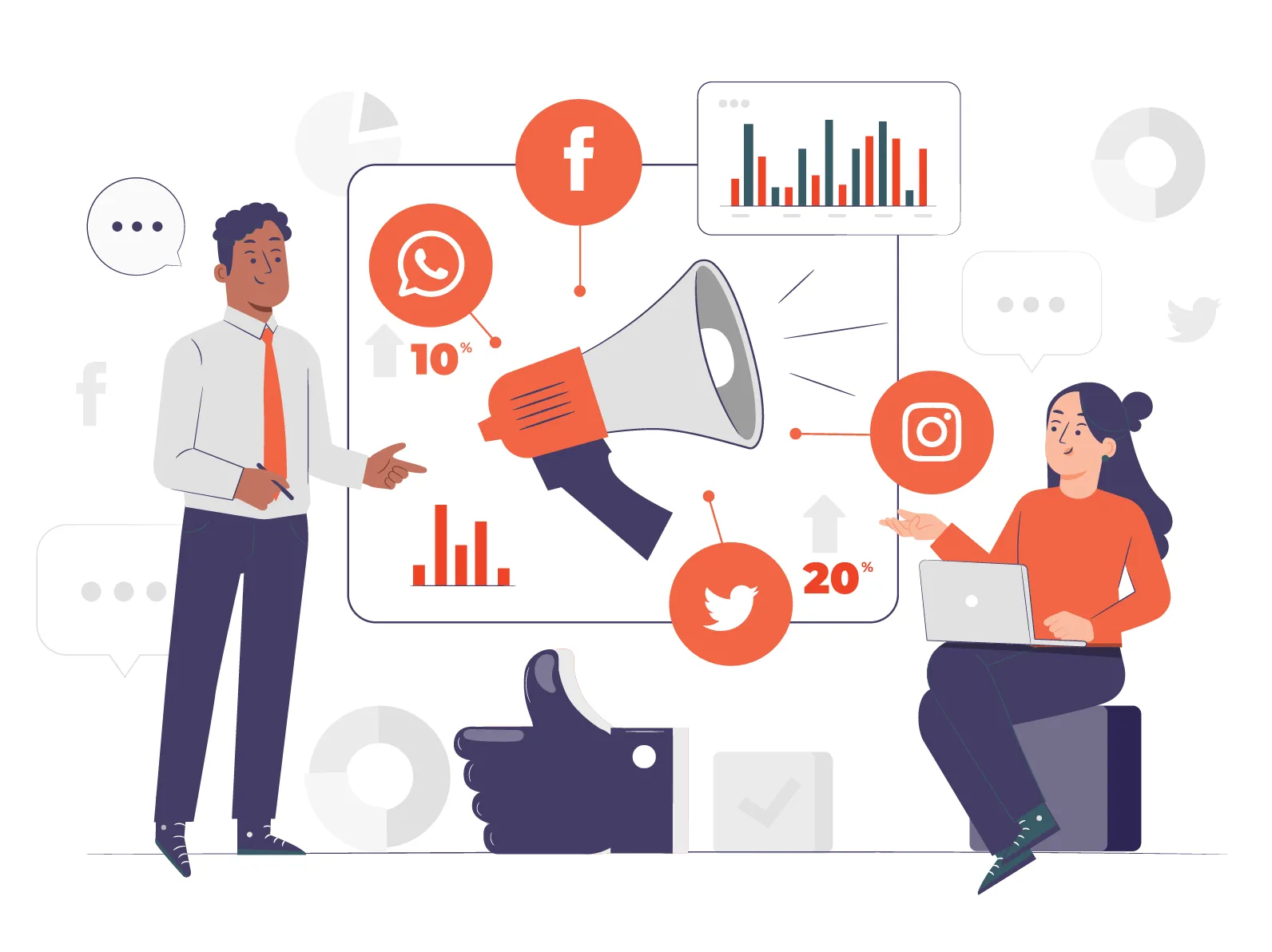
The difference between Performance Marketing and Brand Marketing is about purpose and mindset.
Performance Marketing focuses on immediate action. It targets people who are already ready to buy and converts them quickly. It answers the question: how many sales or leads did we generate today.
Brand Marketing focuses on long term perception. It builds awareness and trust before the customer is ready. It answers the question: how many people will remember and trust our brand tomorrow.
In simple terms, Performance Marketing is transactional, while Brand Marketing is emotional.

4. When Performance Marketing Works Best
Performance Marketing works best when speed and measurable results are the priority. If a business is launching a product, entering a competitive market, or trying to generate immediate revenue, it delivers fast impact.
It also works well when the business already understands its audience and knows what messaging leads to conversions. In such cases, it becomes a tool for scaling and optimization.
But depending only on Performance Marketing can create a cycle of constant spending without building strong customer loyalty.
5. When Brand Marketing Becomes Important
Brand Marketing becomes essential when the goal is long term growth and stability.
In competitive industries, where many products look similar, brand identity becomes the key differentiator. Customers may forget features, but they remember experience and trust.
It also reduces dependence on paid ads. When people already know your brand, they naturally return without needing constant marketing pushes.
In simple terms, Brand Marketing builds the foundation that supports long term success.
6. Why the Best Strategy Uses Both
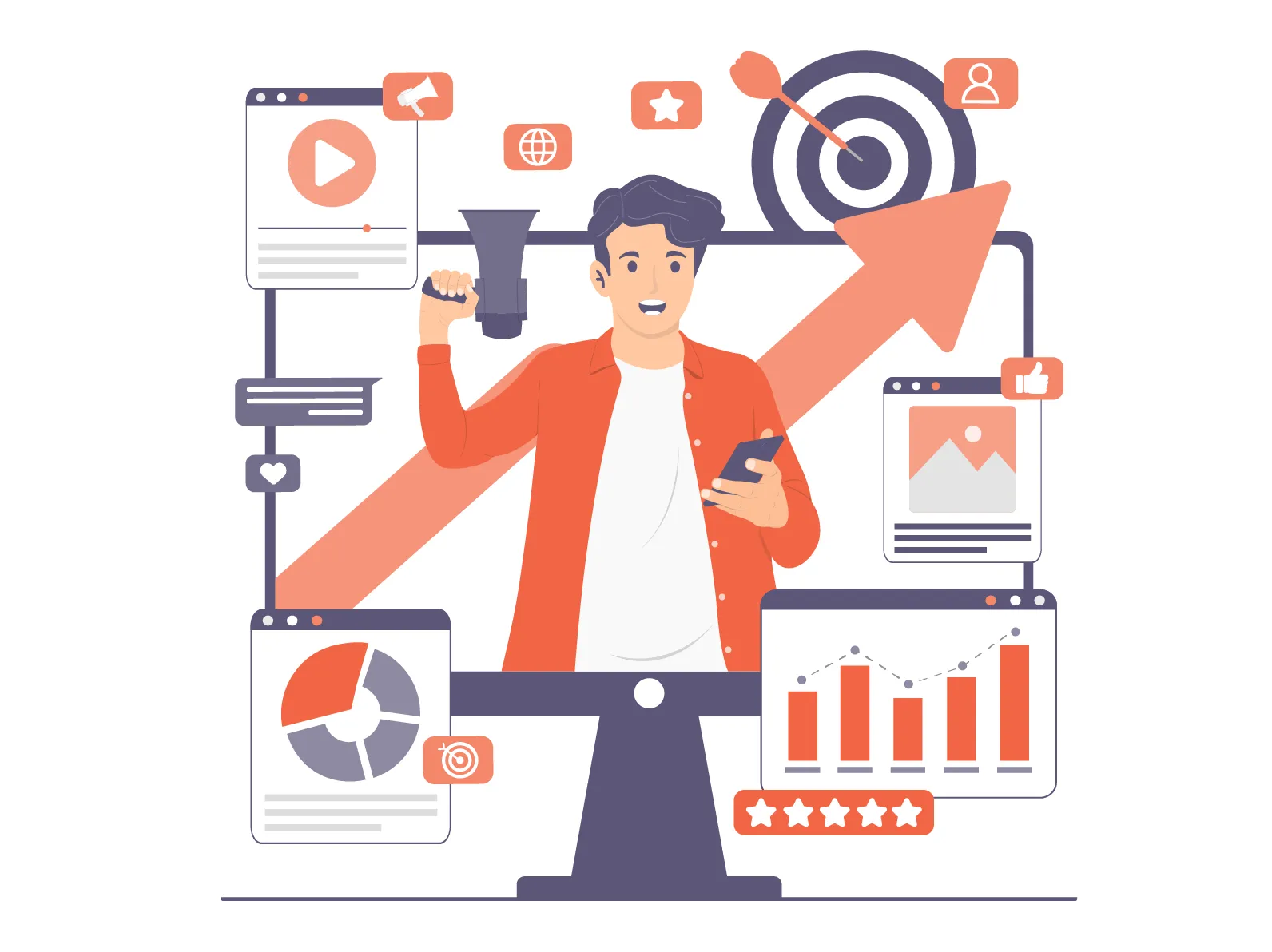
The biggest mistake businesses make is treating Performance Marketing and Brand Marketing as separate choices. In reality, they work best together.
Brand Marketing creates awareness and trust. Performance Marketing converts that awareness into action.
When customers repeatedly see a brand through content or storytelling, they become familiar with it. Later, when they see an ad, they are more likely to trust and convert.
Without Brand Marketing, performance ads feel unfamiliar. Without Performance Marketing, brand awareness does not turn into immediate revenue.
A strong strategy combines both to create a complete growth system.
KEY TAKEAWAY: There is no winner between Performance Marketing and Brand Marketing. Both play different but equally important roles.
If you want quick results, choose Performance Marketing. If you want trust and recognition, invest in Brand Marketing. But if you want a business that is stable, scalable, and sustainable, you need both working together.
Performance Marketing brings speed and measurable results. Brand Marketing builds trust and long term value.
The most successful businesses are not those that choose one over the other. They are the ones that balance both to achieve short term growth and long term brand strength.

Related posts