How personalized Website Experiences increase Sales
Why every Business Website needs a Smart Chat Feature
June 23, 2026
6 Signs your Website is Hurting your Brand Image
July 13, 2026
Modern customers expect more than a generic online experience. They want websites that understand their preferences, interests, and needs. A personalized website uses customer data, browsing behavior, and preferences to deliver relevant content, recommendations, and offers. When visitors feel a website is tailored to them, they are more likely to engage with the brand, build trust, and make a purchase. Here are some key ways personalized website experiences can help increase sales.
1. Personalized Product Recommendations encourage More Purchases
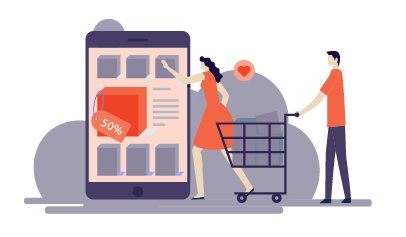
Customers are more likely to buy products that match their interests. Personalized recommendations help businesses showcase relevant products instead of making visitors search through hundreds of options.
For example, if a customer purchases running shoes from an online sports store, the website can recommend running socks, fitness trackers, or workout apparel. These relevant suggestions increase the likelihood of additional purchases and higher order values.
2. Personalized Content improves Customer Engagement
Visitors spend more time on websites when the content is relevant to their interests. Personalized content helps businesses keep customers engaged by displaying information that matches their needs.
For example, a travel website can show beach holiday packages to users who frequently search for tropical destinations, while displaying mountain tour options to adventure travelers. Relevant content keeps visitors interested and encourages further exploration.

3. Targeted Offers increase Conversion Rates
Personalized promotions can motivate customers to complete purchases more effectively than generic discounts.
For instance, if a customer abandons a shopping cart, the website can offer a limited-time discount on those specific products. This targeted approach often encourages customers to return and complete the transaction.

4. Personalized Experiences build Customer Loyalty
Customers appreciate businesses that understand their preferences. Personalized experiences make visitors feel valued, leading to stronger customer relationships.
For example, a streaming platform remembers viewing history and recommends similar content. This convenience encourages users to return regularly and remain loyal to the platform.
5. Personalized Communication creates Better Customer Journeys
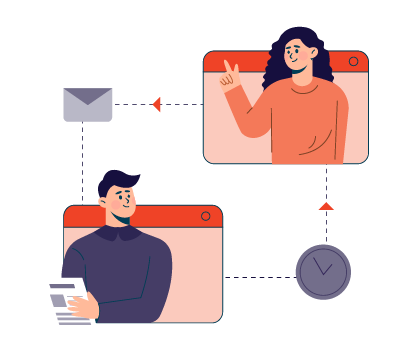
Personalization helps businesses guide customers smoothly through the buying process.
For example, an online learning platform can recommend advanced courses to users who have already completed beginner-level programs. This creates a logical customer journey and increases opportunities for future purchases.
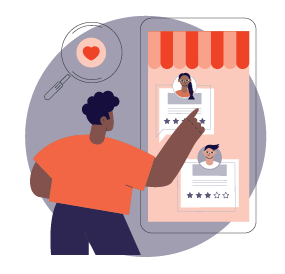
KEY TAKEAWAY: Personalized website experiences help businesses deliver relevant content, recommendations, and offers that align with customer interests. By improving engagement, increasing conversions, strengthening loyalty, and creating better customer journeys, personalization has become a powerful strategy for driving sales. Businesses that invest in personalized experiences are better positioned to meet customer expectations and achieve long-term growth.

Related posts