The Psychology of Curiosity-Driven Content
Performance Marketing vs Brand Marketing: What Should You Choose?
May 5, 2026
What Makes a Website “Feel Premium”?
May 15, 2026
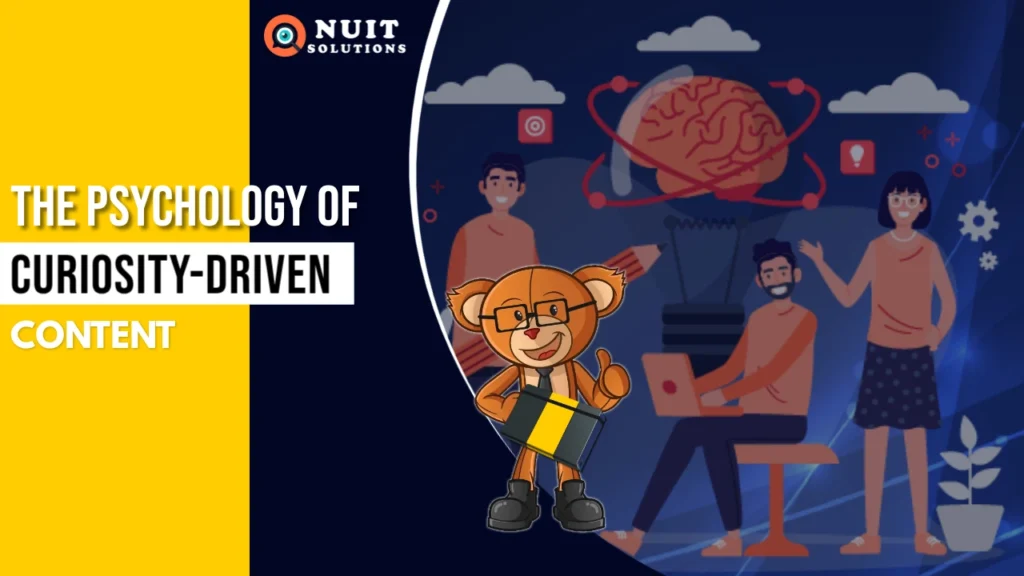
In today’s fast paced digital world, attention has become one of the most valuable currencies online. Curiosity-driven content is one of the most powerful strategies in modern marketing. Curiosity-driven content works through intrigue. It makes audiences stop, ponder and search for answers. This type of content plays on the human brain’s natural desire to find missing information, whether it’s a suspenseful headline, an unexpected visual, or a story with an unresolved ending. Curiosity, used effectively, turns passive viewers into active participants, boosting engagement, retention, and emotional connection.
1. Curiosity creates an Information Gap
One of the main reasons that curiosity-driven content works, psychologically speaking, is something psychologists call the “Information gap.” This is what occurs when people realize that there is something they don’t know but want to know.
When audiences encounter headlines like, “The Editing Technique Most Creators Ignore” their brain immediately seeks closure. Humans are wired to dislike incomplete information and are compelled to click, watch, or keep reading to fill that gap. That’s why curiosity is a very powerful trigger in digital marketing, since it leads to immediate action and higher engagement from the audience.

2. Curiosity stops the Endless Scroll
Social media platforms are designed for rapid content consumption. Users scroll through hundreds of posts within minutes, often ignoring anything predictable or repetitive. Curiosity-driven content interrupts this pattern by presenting something unexpected. This could include a surprising opening statement or an unanswered question.
These elements create a mental pause. Instead of continuing to scroll, the audience becomes interested in discovering what happens next. In many ways, curiosity acts like a “hook” that captures attention before users move on to the next piece of content.

3. Suspenseful Storytelling builds Emotional Engagement
Curiosity becomes even more powerful when it is combined with storytelling. Stories get people to stay involved naturally because they create emotional investment and anticipation. Creators often use strategies such as delayed reveals, cliffhangers, plot twists, etc. to keep audiences emotionally connected throughout a piece of content.
For example, many successful YouTube videos or reels do not reveal the final result immediately. Instead, they slowly build tension, allowing curiosity to grow over time. This storytelling technique increases watch time, retention and audience satisfaction because viewers feel rewarded once the mystery is resolved.

4. Curiosity makes Content more Memorable
People tend to remember content better when they feel friendly or relatable. Curiosity activates the brain’s attention and reward systems, making the experience feel more engaging and interactive.
When the audience is actively looking for answers, they are mentally participating in the content instead of just passively watching it. This increased engagement leads to higher retention and emotional impact. That is why curiosity-driven campaigns are often shared more frequently. Brands that successfully use curiosity often create stronger long-term audience relationships because their content leaves a lasting impression.

5. Effective Curiosity requires Real Value
While curiosity does draw attention, success lies in combining this factor with content that is relevant to its viewers. Most content creators use clickbait which fails to deliver valuable content. While clickbait does help in getting clicks from its audience, it often ends up damaging their reputation. Successful curiosity-driven content balances intrigue with honesty, mystery with clarity and attention grabbing hooks with satisfying outcomes.
The goal is not simply to manipulate curiosity, but to reward it. When audiences feel satisfied after engaging with content, they are more likely to return in the future, trust the creators and share the content. True engagement comes from combining curiosity with authenticity and value.

KEY TAKEAWAY: There is no winner between Performance Marketing and Brand Marketing. Both play different but equally important roles.
Curiosity-driven content engages human instincts for discovery through storytelling and visuals, capturing attention in a crowded space while providing meaningful experiences that build trust and emotional connections. Curiosity enhances digital communication, turning ordinary content into engaging experiences. It boosts emotional involvement and audience retention in marketing, social media, and storytelling. The key is achieving balance: attracting attention while offering genuine value, fostering lasting relationships between creators and their audiences.

Related posts