
Essential Practices to Safeguard Your Business Data

5 Signs Your Business Needs Expert IT Consulting
November 8, 2025
In today’s hyper-connected marketplace, data has become the lifeblood of every organization, from startups to multinational corporations. Yet, the same digital advantages that drive growth also expose businesses to escalating cyber threats, regulatory penalties, and costly data breaches. Implementing robust safeguards is not just an IT concern; it is a strategic imperative that protects reputation, revenue, and customer trust. In this guide, we explore five essential practices that empower you to fortify your business data against evolving risks while staying compliant and competitive.
1. IMPLEMENT STRONG ACCESS CONTROLS
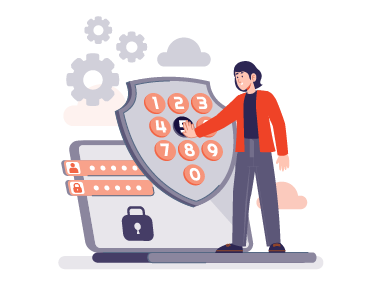
Limiting who can view, edit, or share information is the first line of defense. Adopt the principle of least privilege so employees only receive permissions essential for their role. Use role-based access control to automate this process and regularly audit accounts for dormant or excessive rights. Multi-factor authentication adds an extra barrier, requiring users to verify identity through a second factor such as a mobile app or hardware token. Enforce strong password policies with minimum length, complexity, and periodic rotation to reduce the risk of credential-stuffing attacks. By tightly managing access, you dramatically reduce exposure to insider threats and external breaches. Combine these measures with regular training sessions, so staff understand the importance of secure credential handling and can spot suspicious login attempts.
2. ENCRYPT DATA AT REST AND IN TRANSIT
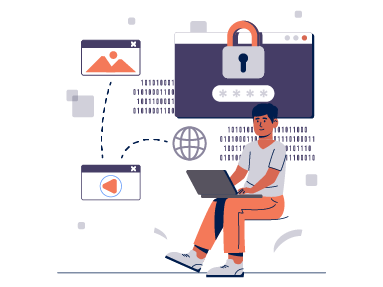
Encryption transforms readable information into coded text, rendering it useless without the proper decryption key. Apply full-disk encryption to laptops, servers, and portable devices to protect data in the event of loss or theft. For data traveling across networks, emails, cloud services, or API calls, use TLS and SSL protocols to secure transmission channels. Implement database-level encryption for sensitive fields such as financial records or personal identifiers. Manage encryption keys centrally, rotate them regularly, and store them in secure modules to prevent unauthorized access. By encrypting both stored and moving data, you ensure confidentiality even if other defenses are breached. Regular audits verify that algorithms remain up to date and comply with industry standards. Document encryption standards and review them during each audit cycle.
3. BACKUP AND DISASTER RECOVERY STRATEGY
A comprehensive backup plan ensures business continuity when data loss occurs due to ransomware, hardware failure, or human error. Follow the 3-2-1 rule: keep three copies of critical data, store them on two different media types, and maintain one copy offsite or in a secure cloud vault. Automate daily incremental backups and schedule weekly full backups to minimize data gaps. Test restoration procedures quarterly to confirm that backups are reliable and that recovery time objectives and recovery point objectives meet operational needs. Incorporate immutable storage solutions that prevent tampering, and encrypt backup files to protect them during transit and at rest. A well-crafted disaster recovery plan reduces downtime, protects revenue, and safeguards reputation, while aligning with regulatory compliance guidelines.

4. EMPLOYEE SECURITY AWARENESS TRAINING
Human error remains the leading cause of data breaches, so staff education is essential. Offer regular interactive sessions covering phishing detection, safe file sharing, and proper handling of confidential information. Simulated phishing campaigns help gauge responsiveness and provide instant feedback. Reinforce policies with quarterly newsletters, short videos, and an accessible knowledge base. Foster a culture where employees report suspicious activity without fear and recognize those who model strong security habits. Tailor modules for IT, finance, and executive teams, as each handles different data types and risks. Monitor completion rates and adjust content based on emerging threats to keep the program effective.

5. MONITOR, DETECT, AND RESPOND QUICKLY
Continuous monitoring bridges the gap between prevention and remediation. Deploy a unified security information and event management platform to aggregate logs from servers, firewalls, endpoints, and cloud services. Configure real-time alerts for anomalous activities such as multiple failed logins, unusual data transfers, or privilege escalations. Pair automated response playbooks with a dedicated incident-response team to contain breaches quickly. Conduct regular vulnerability scans and penetration testing to uncover hidden weaknesses before attackers exploit them. Document every incident, analyze root causes, and refine controls accordingly. A proactive monitoring strategy not only reduces the impact of attacks but also demonstrates to regulators and clients that your organization maintains a rigorous and accountable security posture.

KEY TAKEAWAY:
Your business data is only as safe as the systems, people, and processes that protect it. Performing regular audits, assigning clear responsibility, and maintaining strong internal and external controls helps you move from assuming your data is safe to proving it with confidence. Strengthening data protection is not just about preventing disasters but building trust, improving efficiency, and safeguarding long-term growth. Taking these proactive steps now can make the difference between vulnerability and stability. Your next level of business begins with stronger security.
Protect your data today and build a safer future with NUIT Solutions.

Related posts